Think about the route before you move
Adventures where reading the next obstacle matters as much as reaching the exit.
A route can be a chain of jumps, a drawing that becomes a bridge, or a sequence of useful dungeon tiles. These games make the path itself part of the puzzle.
Use the first obstacle to learn what you control: the character, the board, or the objects surrounding the character.
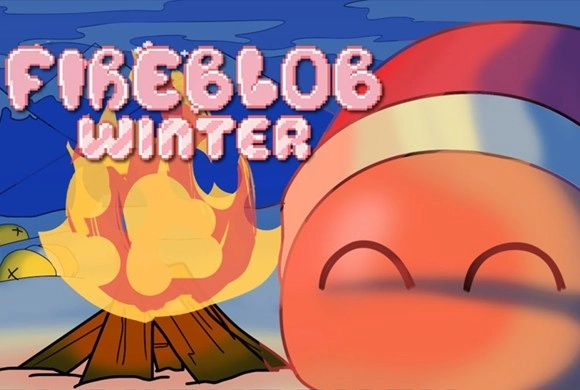
Fire Blob Winter
Melting platforms mean a successful jump can also remove the ground behind you.
Your goal: Reach and touch the unlit campfire without falling out of the stage or touching hazards.
Open game ↗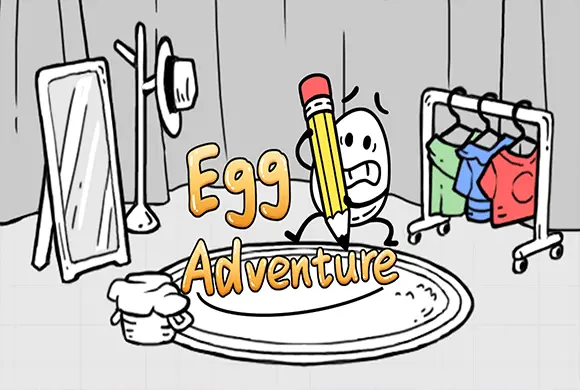
Egg Adventure
You create the tool for the route, then find out whether it stays stable when the scene resumes.
Your goal: Resolve the situation shown in the current level so the egg can complete its challenge.
Open game ↗
Neo Adventure
The shortest path is not necessarily useful if it misses the equipment or key needed to continue.
Your goal: Collect the layer's key, survive its monsters and unlock the exit chest to progress.
Open game ↗
Milk Tea Adventure
Its door-to-door objective offers a direct movement contrast to the drawing and equipment systems elsewhere in this selection.
Your goal: Move the milk tea from its starting door to the destination door.
Open game ↗Read what will change
In Fire Blob Winter, contact can remove an ice block. In Egg Adventure, releasing a drawing lets physics move it. Plan for the scene after your action, not just the picture before it.
Check the route requirements
Neo Adventure adds weapons, healing and a key to the route. Milk Tea Adventure has the more direct objective of moving from one door to another. The former suits inventory decisions; the latter centers on movement toward an exit.